
7 Tampa Neighborhood Clues First-Time Buyers Should Spot Before Touring Homes
7 Tampa Neighborhood Clues First-Time Buyers Should Spot Before Touring Homes
House hunting is exciting, but the smartest first-time buyers know the real homework starts before stepping through the front door. In a market as varied as Tampa, one street can feel polished and established while the next leans transitional, traffic-heavy, or less convenient for your day-to-day routine. A beautiful kitchen matters, of course, but so do commute patterns, flood considerations, nearby amenities, and the overall rhythm of a neighborhood.
If you want to shop with more confidence, train yourself to notice the clues that reveal how a community actually lives. Those signals can help you narrow your search, ask better questions, and avoid falling in love with a home that does not fit your lifestyle once the novelty wears off. Before you start touring, here are seven Tampa neighborhood signs worth spotting early.
1. Street Activity Tells You More Than Listing Photos
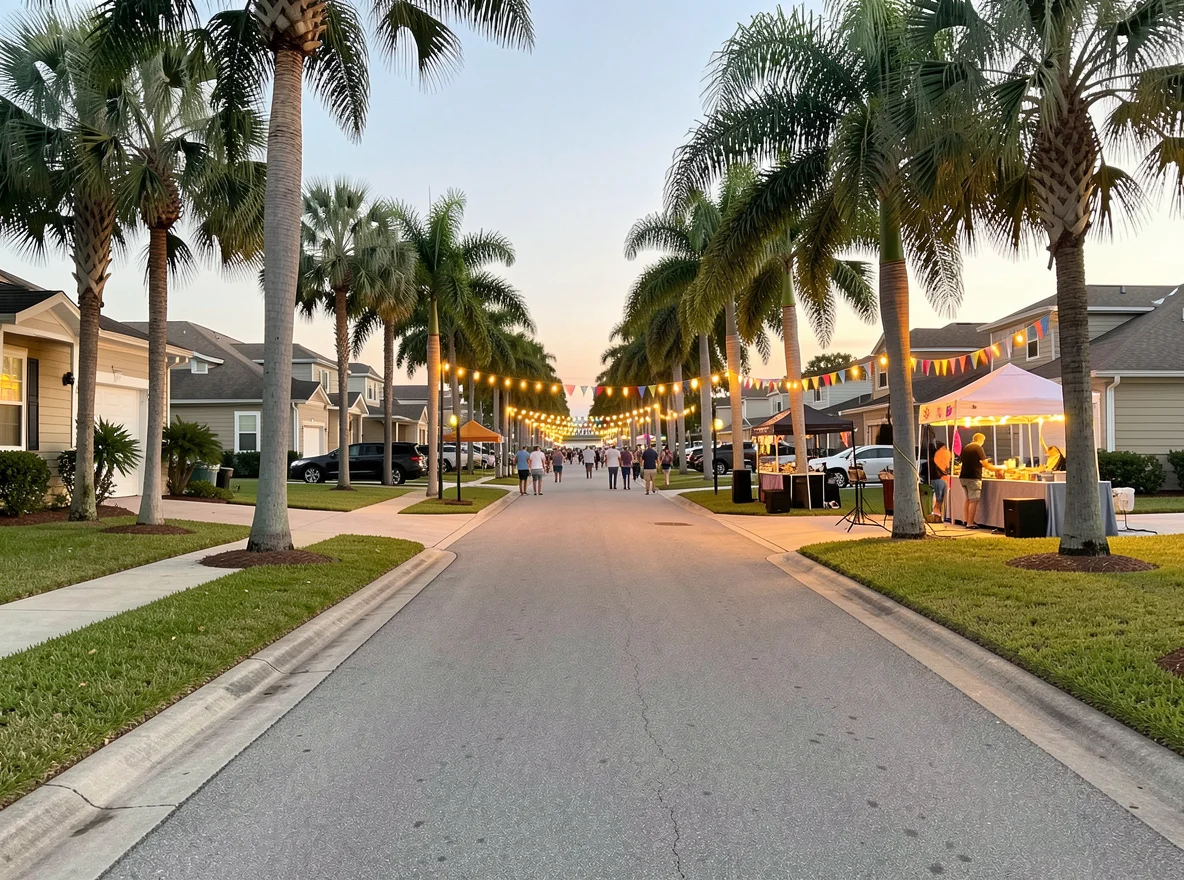
Start with the basics: what does the block feel like at different times of day? A neighborhood that seems calm at 10 a.m. may become a cut-through route during rush hour or a parking puzzle in the evening. Look for sidewalks, bike activity, joggers, dog walkers, and whether people appear to use the area comfortably. Those everyday details often signal a stronger sense of neighborhood identity than any brochure language ever could.
Also pay attention to how cars are parked and moving. If every curb is packed, driveways are cramped, and streets feel narrow for two-way traffic, that may affect your routine more than you expect. On the other hand, blocks with manageable parking, slower traffic, and visible pedestrian use often feel more livable for first-time buyers planning to settle in for a while.
Buyer clue: If the road in front of a home feels louder, faster, or busier than you imagined, expand your search radius by only a few blocks. In Tampa, that small adjustment can completely change the feel of your future home base.
2. Landscaping and Exterior Upkeep Reveal Stability
Not every great neighborhood is pristine, but overall exterior care says a lot. Notice roofs, paint condition, fences, drainage, and whether lawns and trees look maintained. Well-kept homes do not necessarily mean luxury pricing; often they simply reflect owners who are invested in their property and community. That can be a reassuring sign for buyers thinking about long-term value.
Look for consistency rather than perfection. A block with a healthy mix of updated homes, original charm, and tidy yards may indicate steady ownership and gradual improvement. By contrast, multiple neglected exteriors, visible deferred maintenance, or repeated signs of quick cosmetic flips can suggest you should dig deeper into pricing, permits, and future repair expectations.
3. Water, Drainage, and Elevation Matter in Tampa
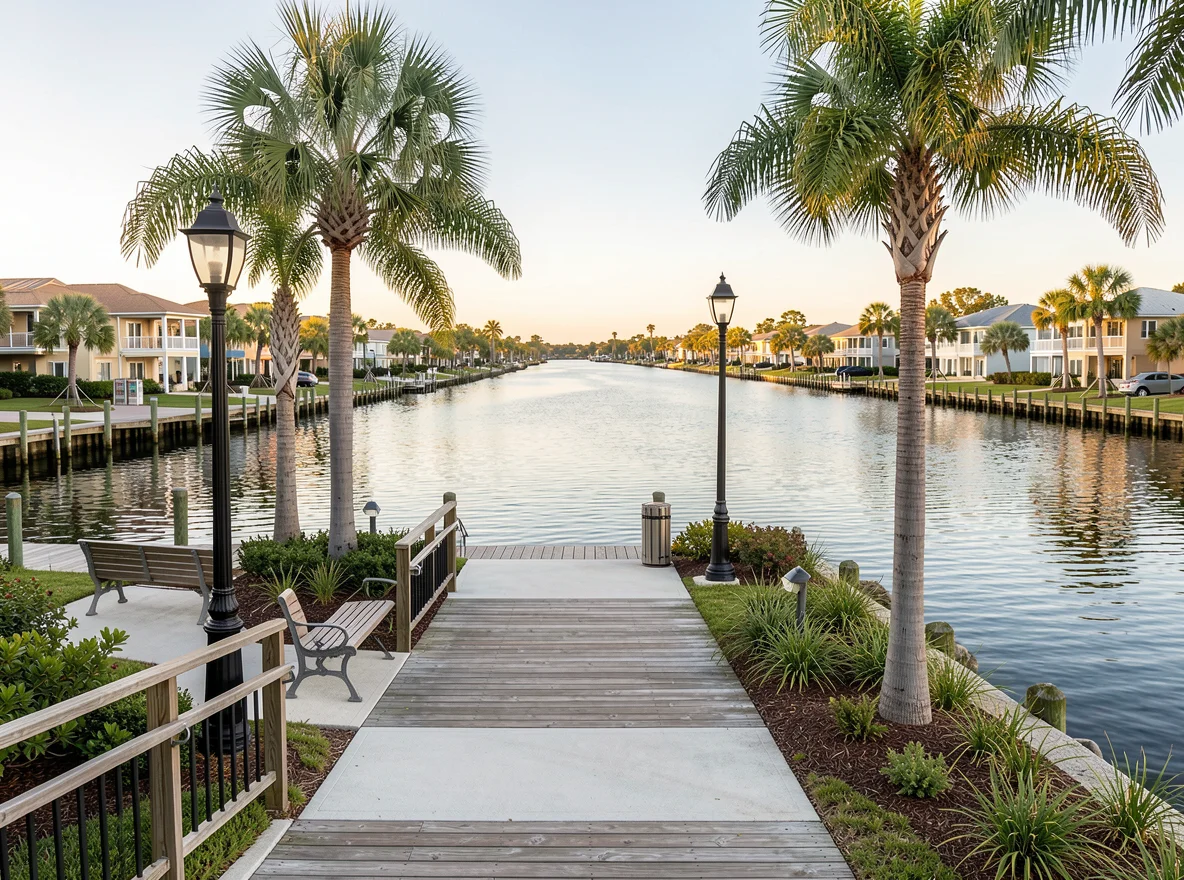
This is one of the biggest first-time buyer lessons in West Central Florida: neighborhood geography is not a footnote. Tampa buyers should watch for retention ponds, storm drains, canal proximity, low-lying lots, and signs that water lingers after rain. Even if a property shows beautifully, the surrounding terrain can affect insurance costs, comfort, and future budgeting.
Drive the area after a storm if possible. Puddling near curbs, soggy common areas, or streets that appear slow to drain can all be useful clues. You are not trying to diagnose a property from the car, but you are trying to understand whether you need to ask more detailed questions about flood zones, elevation certificates, stormwater management, and insurance options before getting emotionally attached.
4. School Patterns Influence Demand Even If You Do Not Have Kids
Many first-time buyers focus on schools only if they have children, but school demand often influences resale strength, neighborhood turnover, and buyer competition. Communities tied to well-regarded public schools, charter options, or strong private school access can attract broader interest over time. That does not mean every buyer should chase the same district, but it is wise to understand how education options shape local demand.
Notice school traffic routes, crossing patterns, and how the neighborhood functions during pickup and drop-off hours. In some areas, access is easy and organized. In others, congestion can become part of your everyday schedule. A neighborhood may still be a great fit, but this is the kind of lifestyle detail first-time buyers often overlook until after closing.
Practical tip: Ask not just where the schools are, but how they affect the flow of the area Monday through Friday. Convenience is about movement as much as map distance.
5. Nearby Conveniences Should Match Your Real Routine
It is easy to be impressed by a trendy area on paper, but what matters is whether it supports your actual life. Think beyond broad claims like “close to everything.” Can you get to groceries, green space, major commuter routes, weekend entertainment, and daily errands without frustration? Are there nearby community gathering areas, recreation spots, or neighborhood services that make the area feel easy to live in rather than simply desirable online?
For some buyers, that means quick access to downtown Tampa employment centers. For others, it means being near the water, close to parks, or well-positioned for airport access and cross-bay travel. The right answer depends on your habits. A boutique brokerage with local market knowledge can be especially helpful here, because neighborhood fit is often more nuanced than search filters suggest.
That local perspective is where personalized guidance becomes valuable. A team rooted in the Tampa Bay area can often identify which communities align with your pace, budget, and goals before you waste weekends touring homes in the wrong pockets.
6. Renovation Patterns Can Signal Opportunity or Overpricing
One of the most useful clues is the mix between original homes and updated ones. If you see tasteful renovations, additions that fit the neighborhood, and steady improvement from block to block, that can point to healthy buyer confidence. If nearly every home appears aggressively flipped with inconsistent quality, you may need to examine values more carefully and compare finishes against the asking price.
Pay attention to whether improvements feel durable or rushed. New paint is nice, but so are newer windows, solid roofing, thoughtful landscaping, and evidence of longer-term care. In many Tampa neighborhoods, the story of the street is written in the exteriors: some areas are maturing beautifully, while others are still sorting out what buyers are truly willing to pay for cosmetic upgrades.
7. The Best Neighborhoods Feel Right Beyond the Property Line
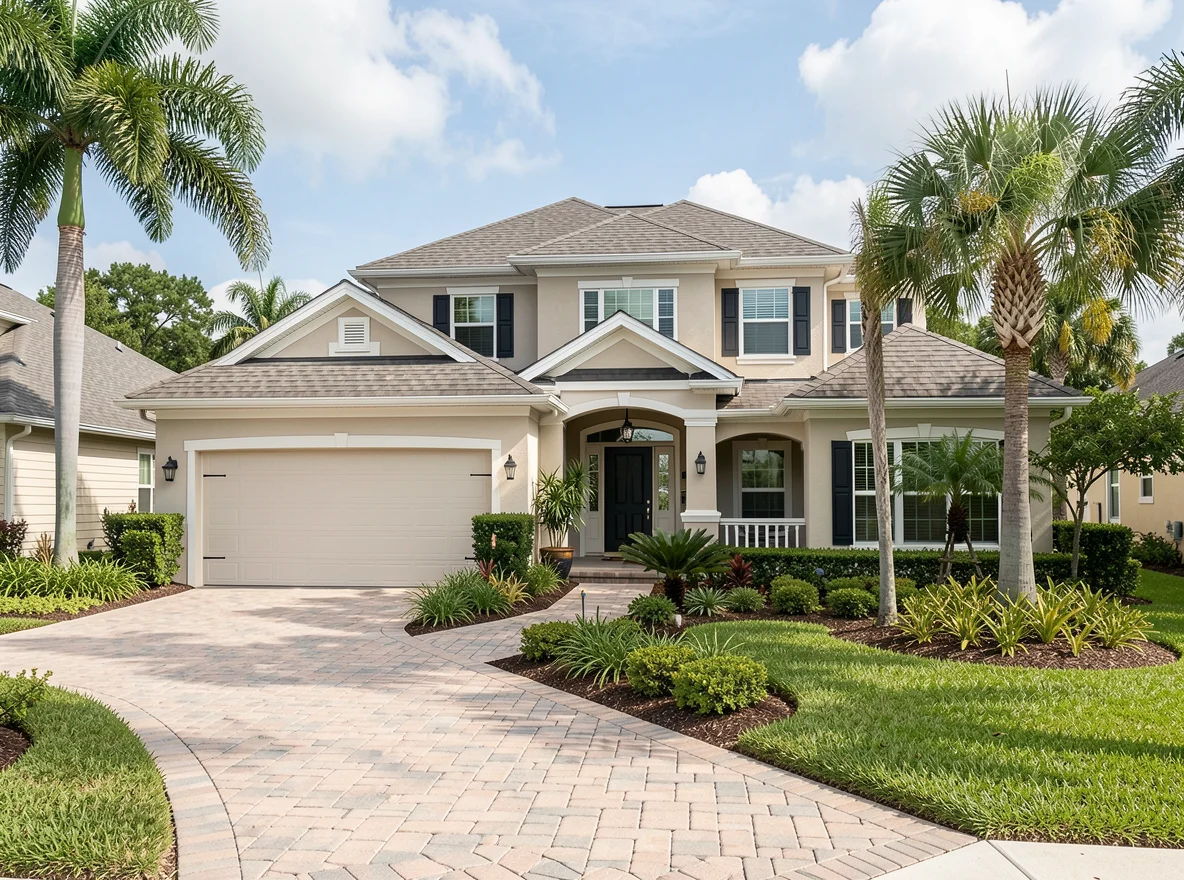
First-time buyers often evaluate the house intensely and the neighborhood casually. Flip that. Stand outside the car for a minute. Listen. Look at tree cover, shade, lighting, mailboxes, sidewalks, nearby gathering spaces, and how connected or isolated the area feels. Notice whether the block feels welcoming, rushed, quiet, polished, eclectic, or still in transition. These impressions may sound subjective, but they are often what shape your happiness after move-in day.
The strongest buying decisions usually come from blending hard data with on-the-ground observation. Price trends, insurance realities, and inventory matter, but so does that feeling of ease when you picture your weekly routine unfolding there. Can you imagine mornings, weekends, guests, errands, and ordinary life in that setting? If the answer is yes, you may be onto something worth touring seriously.
For buyers navigating Tampa for the first time, a locally focused brokerage can help connect those neighborhood clues to the bigger picture of value, lifestyle, and timing. With personalized support and deep familiarity with West Central Florida markets, Juador Realty, Inc. can help you look past listing sparkle and focus on what truly fits. The goal is not just to find a house you like, but to recognize a neighborhood you will still love once the boxes are unpacked.